
Full Range of Motion on Joint Health & Injury Prevention
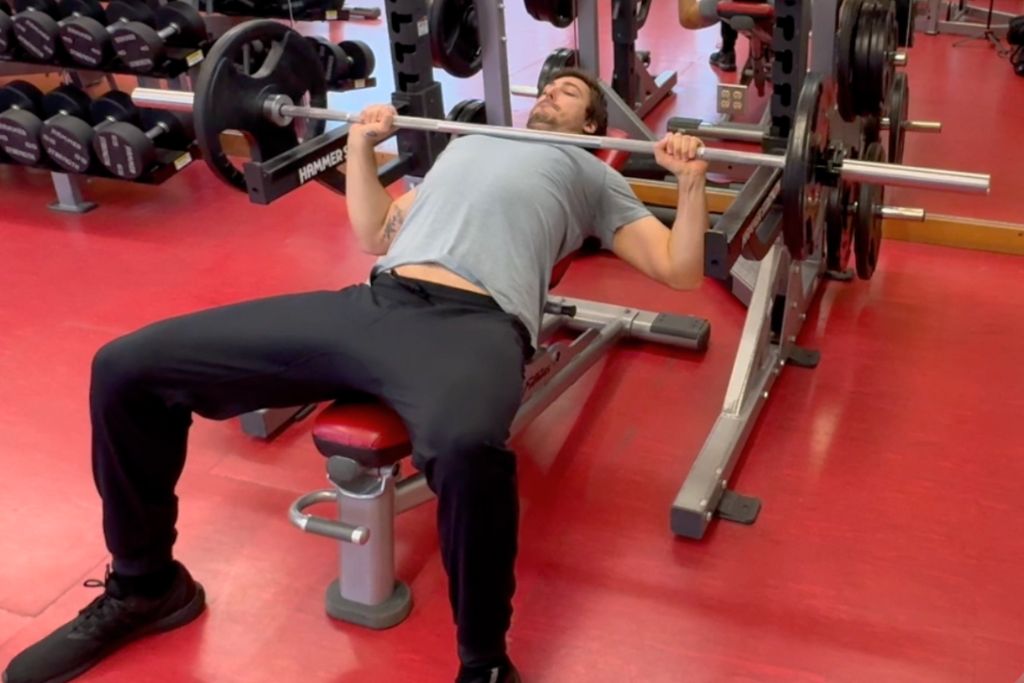
Maintaining a full range of motion (ROM) and joint health is crucial for long-term mobility and injury prevention. Neglecting ROM can lead to stiffness, restrictions, and a higher injury risk over time. Training with a full ROM and joint health focus maximizes muscle engagement and supports joint longevity. But how does full ROM impact joint health, and is it really better for preventing injuries?
As a sports acupuncturist and TCM Practitioner with over a decade of clinical experience, I specialize in optimizing joint health, injury prevention, and athletic performance. With my background in sports medicine acupuncture and strength training, I’ve seen firsthand how maintaining a full range of motion (ROM) is essential for long-term mobility and reducing the risk of injury.
Why Full ROM Matters for Joint Longevity
As we age, joint mobility naturally declines due to factors like muscle tightness, reduced synovial fluid production, and cartilage wear. Research indicates that regularly moving joints through their full ROM can help counteract these effects by maintaining flexibility, reducing stiffness, and preserving overall function [1].
Strength training with full ROM has been shown to improve joint health by stimulating synovial fluid production, which lubricates the joints, and by promoting better muscle balance around the joint structures [2]. This reduces compensatory movement patterns that can lead to pain and dysfunction over time.
The Role of Full ROM in Injury Prevention
One of the biggest benefits of training with a full ROM is injury prevention. Limited ROM often leads to compensatory movement patterns, where the body recruits other muscles or joints to compensate for restricted motion. This increases stress on surrounding tissues and raises the risk of overuse injuries [3].
Research on squat depth has shown that deeper squats (full ROM) activate more muscle groups and distribute forces more evenly across the joints, reducing knee strain [4]. Similarly, exercises like overhead presses and deadlifts performed with a full ROM enhance shoulder and spinal stability, lowering the risk of chronic injuries [5].
How Full ROM Enhances Joint Health
- Increases Synovial Fluid Circulation – Movement stimulates the production of synovial fluid, which lubricates the joints and improves nutrient delivery to cartilage, keeping joints healthy [2].
- Reduces Muscle Imbalances – Full ROM training ensures that all portions of a muscle are engaged, preventing strength imbalances that can lead to joint instability [3].
- Maintains Flexibility & Mobility – Regularly training through a full ROM helps sustain flexibility, making daily movements easier and reducing injury risk as you age [1].
- Strengthens Connective Tissue – Tendons and ligaments adapt to progressive overload just like muscles do. Full ROM training strengthens these structures, reducing strain and improving resilience [6].
Are There Situations Where Partial ROM Is Better?
While full ROM offers clear benefits, there are situations where partial ROM training can be useful. For example:
- Rehabilitation & Recovery: After an injury, restricted ROM training can help maintain strength while protecting healing tissues [7]
- Powerlifting & Strength Sports: Partial reps may help athletes overcome sticking points in heavy lifts like squats and bench presses [8]
- Joint Stability Training: Certain exercises, like isometric holds, focus on joint stabilization rather than full-range movement.
For general health, longevity, and injury prevention, full ROM training should be the foundation of any program.
Practical Ways to Improve ROM in Training
- Use Proper Warm-Ups: Perform lighter sets of the movement you are about to train to gradually increase blood flow and joint mobility.
- Prioritize Mobility Work: Regular stretching and mobility work help maintain joint flexibility and movement quality.
- Gradually Increase ROM in Lifts: If you struggle with full ROM in squats, presses, or deadlifts, progressively increase depth over time.
- Incorporate Multi-Joint Movements: Compound exercises naturally promote joint mobility while building strength.
Full ROM for Long-Term Joint Health
Training with a full range of motion is one of the best ways to maintain joint health, prevent injuries, and support longevity. Ensuring your joints move through their complete range improves flexibility, enhances muscular balance, and reduces strain on connective tissues. While partial ROM has its place in specific training scenarios, full ROM should be the priority for lifelong strength and mobility.
By integrating full ROM and joint health strategies, including mobility work and proper warm-ups into your routine, you can support long-term joint health and keep your body moving pain-free for years to come.
References
- Goto, M., Maeda, C., Hirayama, T., Terada, S., Nirengi, S., Kurosawa, Y., Nagano, A., & Hamaoka, T. (2019). Partial range of motion exercise is effective for facilitating muscle hypertrophy and function through sustained intramuscular hypoxia in young trained men. J Strength Cond Res, 33(5), 1286-1294. PubMed
- Bloomquist, K., Langberg, H., Karlsen, S., Madsgaard, S., Boesen, M., & Raastad, T. (2013). Effect of range of motion in heavy load squatting on muscle and tendon adaptations. Eur J Appl Physiol, 113(8), 2133-42. PubMed
- McMahon, G. E., Morse, C. I., Burden, A., Winwood, K., & Onambélé, G. L. (2014). Impact of range of motion during ecologically valid resistance training protocols on muscle size, subcutaneous fat, and strength. J Strength Cond Res, 28(1), 245-55. PubMed
- Valamatos, M. J., Tavares, F., Santos, R. M., Veloso, A. P., & Mil-Homens, P. (2018). Influence of full range of motion vs. equalized partial range of motion training on muscle architecture and mechanical properties. Eur J Appl Physiol, 118(9), 1969-1983. PubMed
- Kubo, K., Ikebukuro, T., & Yata, H. (2019). Effects of squat training with different depths on lower limb muscle volumes. Eur J Appl Physiol, 119(9), 1933-1942. PubMed
- Pinto, R. S., Gomes, N., Radaelli, R., Botton, C. E., Brown, L. E., & Bottaro, M. (2012). Effect of range of motion on muscle strength and thickness. J Strength Cond Res, 26(8), 2140-2145. PubMed
- Schoenfeld, B. J., & Grgic, J. (2020). Effects of range of motion on muscle development during resistance training interventions: A systematic review. SAGE Open Med, 8, 2050312120901559. PubMed
- Suchomel, T. J., Nimphius, S., Bellon, C. R., & Stone, M. H. (2018). The importance of muscular strength: Training considerations. J Strength Cond Res, 32(6), 1511-1523. PubMed


