Can Chocolate Build Muscle? Surprising Science-Backed Benefits


If you’re looking for an excuse to eat chocolate today, consider this your green light. It turns out that dark chocolate isn’t just a delicious treat—it might actually help you build muscle and boost your workouts.
As a sports acupuncturist with 20 years of strength training experience, I combine traditional medicine with modern fitness science to help people recover better and perform at their best.
The Fitness Benefits of Chocolate
The secret lies in a powerful compound found in cocoa: epicatechin, a naturally occurring flavonoid that delivers a variety of performance and health benefits. Found in abundance in dark chocolate (especially varieties with 70% cacao or higher), epicatechin has been shown to:
No products found.
- Improve blood flow and oxygen delivery
- Enhance endurance and stamina
- Support muscle growth by inhibiting myostatin
- Promote glucose regulation for better recovery and muscle development
- Increase testosterone and nitric oxide levels
Let’s break it down.

- CHOCOLATE: Each bar has only a handful of real, responsibly sourced, health-conscious…
- Dark Chocolate with Cacao Nibs (72% cocoa)
- HIGH QUALITY INGREDIENTS: We believe that to craft premium world-class chocolate, there’s no way…
How Dark Chocolate Supports Muscle Growth
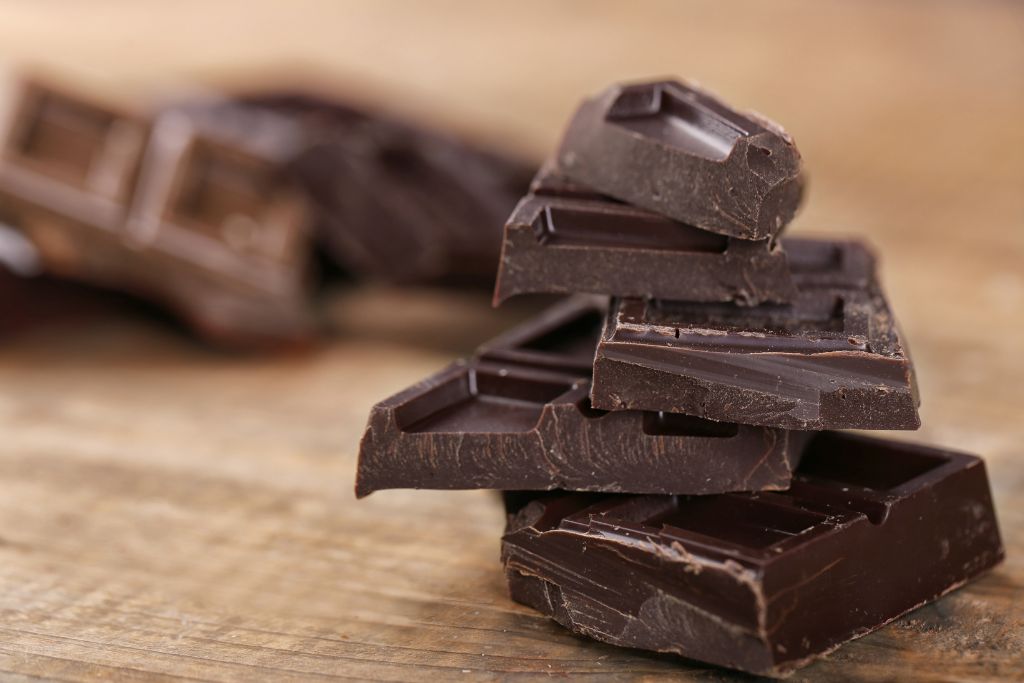
1. Inhibits Myostatin, the Muscle Growth Blocker
Myostatin is a protein that limits muscle growth to prevent hypertrophy. Epicatechin appears to inhibit myostatin’s function by boosting levels of follistatin, its natural antagonist. This creates an environment in the body more favorable to muscle gain—naturally, and without the hormonal side effects of anabolic steroids.
2. Boosts Nitric Oxide and Blood Flow
Dark chocolate increases nitric oxide by inhibiting enzymes that break it down, promoting vasodilation—the widening of blood vessels. This means more oxygen and nutrients delivered to muscles during a workout, enhancing performance and recovery [1].
3. Enhances Endurance and VO2 Max
A double-blind, placebo-controlled trial found that dark chocolate improved VO2 max and exercise performance in sedentary subjects over 3 months. Those consuming dark chocolate saw a 17% increase in VO2 max and performed significantly better in maximum work capacity tests [3].
4. Improves Mitochondrial Function and Metabolism
A 2021 study found that cocoa flavanols enhanced mitochondrial function and whole-body carbohydrate metabolism in mice, primarily by increasing NAD+ and NADH content and activating mitochondrial pathways via Sirt3 [1].
5. Regulates Blood Sugar and Insulin Sensitivity
Epicatechin enhances glucose uptake in muscle cells and improves insulin sensitivity—key for recovery and lean muscle gain. This makes dark chocolate a surprising ally in managing body composition and muscle building. In older adults, acute cocoa flavanol intake has also been shown to improve muscle blood flow during nutrient intake, suggesting an additional mechanism for enhanced nutrient delivery to muscle tissue [2].
6. Decreases Muscle Damage and Oxidative Stress
In a randomized controlled trial, elite football players who consumed dark chocolate for 30 days showed significantly lower levels of muscle damage markers like CK and LDH, as well as improved antioxidant status [5].
But Wait—Not All Chocolate is Created Equal

For these benefits, dark chocolate is the way to go. Look for chocolate that:
- Has at least 70-85% cocoa content
- Is not processed with alkali (Dutch processing strips away up to 60% of beneficial flavanols)
- Contains minimal added sugar or milk solids

- CHOCOLATE: Each bar has only a handful of real, responsibly sourced, health-conscious…
- Dark Chocolate with Forest Mint (72% cocoa)
- HIGH QUALITY INGREDIENTS: We believe that to craft premium world-class chocolate, there’s no way…
Milk chocolate and white chocolate contain little to no epicatechin, and are more sugar than superfood. In studies, white chocolate showed no performance or health benefits.
How Much Dark Chocolate Should You Eat?
For general health and antioxidant benefits, about 30-40 grams per day of 70-85% dark chocolate is ideal. For athletic performance and muscle-building, 40-100 grams per day, split pre- and post-workout, may provide enhanced blood flow and nitric oxide benefits. Alternatively, pure epicatechin supplements are available and typically dosed at 100–300mg/day.

- 3.5 oz. Bar of Lindt EXCELLENCE Intense Orange Dark Chocolate Bar
- This dark chocolate features the rich color of dark chocolate, the fruity flavor of orange and the…
- Perfect with after dinner drinks or as a gift
Bonus Benefits
- Appetite regulation: Epicatechin may help stimulate satiety signals through ghrelin sensitivity, helping control cravings.
- Testosterone boost: It stimulates the pituitary to release hormones that support testosterone production, which can improve muscle strength, recovery, and libido.
- Improved quality of life: In older populations, daily high-flavanol cocoa consumption improved mobility, reduced oxidative stress, and improved markers of cardiovascular health [4].
Should You Add Chocolate to Your Fitness Plan?
Absolutely—if it’s the right kind. High-cacao dark chocolate (and raw cacao products) offer compelling advantages for performance, muscle growth, endurance, and recovery. While it’s not a magic bullet, it can absolutely support your gains when combined with good nutrition, strength training, and recovery practices.
So yes, chocolate can help you build muscle—and it tastes a whole lot better than most supplements on the market.
If you’re serious about building real muscle and functional strength, it’s time to follow a program that’s built for results. My Master 4-Day Hypertrophy and Strength Split is the most effective plan I’ve created—designed for lifters who are ready to train with intention, push past plateaus, and optimize performance.
This structured 4-day split combines the best of hypertrophy and strength science, refined over 20+ years of lifting and clinical experience in sports recovery. Whether you’re coming off a beginner routine or looking for a more intelligent way to train, this program gives you the blueprint to build a strong, balanced physique that feels as good as it looks.
Ready to train with purpose? Download the program and start your next strength phase today.
No products found.
- CHOCOLATE: Each bar has only a handful of real, responsibly sourced, health-conscious…
- Dark Chocolate with Cacao Nibs (72% cocoa)
- HIGH QUALITY INGREDIENTS: We believe that to craft premium world-class chocolate, there’s no way…
- CHOCOLATE: Each bar has only a handful of real, responsibly sourced, health-conscious…
- Dark Chocolate with Forest Mint (72% cocoa)
- HIGH QUALITY INGREDIENTS: We believe that to craft premium world-class chocolate, there’s no way…
- 3.5 oz. Bar of Lindt EXCELLENCE Intense Orange Dark Chocolate Bar
- This dark chocolate features the rich color of dark chocolate, the fruity flavor of orange and the…
- Perfect with after dinner drinks or as a gift
References
[1] Daussin et al. (2021). Dietary Cocoa Flavanols Enhance Mitochondrial Function in Skeletal Muscle and Modify Whole-Body Metabolism in Healthy Mice. PubMed
[2] Phillips et al. (2016). Acute cocoa flavanol supplementation improves muscle macro- and microvascular but not anabolic responses to amino acids in older men. PubMed
[3] Taub et al. (2016). Beneficial effects of dark chocolate on exercise capacity in sedentary subjects. PubMed
[4] Munguia et al. (2019). High Flavonoid Cocoa Supplement Improves Mobility and Quality of Life in Older Subjects. PubMed
[5] Cavarretta et al. (2018). Dark Chocolate Intake Positively Modulates Redox Status and Reduces Markers of Muscular Damage in Elite Football Athletes. PubMed


