
Which Type of Reishi Is Best? A TCM Guide to the Six Zhī


Reishi mushroom, known in Traditional Chinese Medicine (TCM) as Lingzhi (靈芝), has long been revered not just as a remedy, but as a sacred tonic for vitality, longevity, and spiritual clarity. If you’ve ever wondered which type of Reishi is best, the answer lies in the classical system of the Six Zhī. For over two thousand years, it has been classified as a superior herb to protect the body from the slow erosion of stress, fatigue, and aging.
As a TCM practitioner with over a decade of experience, I use Reishi to support patients recovering from stress, fatigue, and chronic imbalances, especially when restoring sleep, digestion, and core vitality is the goal.
Not all Reishi is the same, and understanding which type of Reishi is best starts with the classical Chinese system of the Six Zhī: Red, Purple, Black, White, Green, and Yellow. Each is linked to an organ system and elemental correspondence. However, only Red Reishi (Chìzhī, 赤芝) and Purple Reishi (Zǐzhī, 紫芝) are now recognized as true Ganoderma species. The others, while not part of the Ganoderma genus, still hold strong therapeutic value and have been used medicinally for centuries. The most suitable type depends on your health goals, constitution, and the kind of support your body needs.
The Six Reishi Colours in TCM
As described in the Ben Cao Gang Mu (Ming Dynasty), there are six major types of Lingzhi, each connected to one of the Five Elements and internal organ systems:
The Six Types of Zhī in Classical Texts
Red Reishi
- Chinese name: 赤芝 (Chìzhī)
- Species: Ganoderma lucidum
- Element: Fire
- Organ association: Heart
- Traditional function: Nourishes Heart blood, calms the Shen, stabilizes mood, supports restful sleep, and protects against overstimulation and emotional fatigue
Purple Reishi
- Chinese name: 紫芝 (Zǐzhī)
- Species: Ganoderma sinense
- Element: Transitional (links multiple systems)
- Organ associations: Kidneys, Liver, Heart
- Traditional function: Deeply replenishes jing (essence), supports post-illness recovery, strengthens bones and connective tissue, and harmonizes the emotional mind for meditation and inner clarity
Black Reishi
- Chinese name: 黑芝 (Hēizhī)
- Species: Amauroderma rugosum
- Element: Water
- Organ association: Kidneys
- Traditional function: Tonifies Kidney essence, anchors Yang, reduces inflammation in joints and tissues, and supports urinary and reproductive health
White Reishi
- Chinese name: 白芝 (Báizhī)
- Species: Laricifomes officinalis
- Element: Metal
- Organ association: Lungs
- Traditional function: Supports Lung Qi and Wei Qi (defensive energy), clears heat and phlegm, aids respiratory function, and soothes digestion through Lung-Spleen connection. Known as the “elixir of long life” in Ancient Greece.
Green Reishi
- Chinese name: 青芝 (Qīngzhī)
- Species: Trametes versicolor (Turkey Tail)
- Element: Wood
- Organ association: Liver
- Traditional function: Regulates Liver Qi, clears Damp-Heat, supports detoxification, reduces stagnation, and enhances immune surveillance
Yellow Reishi
- Chinese name: 黄芝 (Huángzhī)
- Species: Laetiporus sulphureus (Chicken of the Woods)
- Element: Earth
- Organ association: Spleen
- Traditional function: Strengthens Spleen Qi, supports digestion and nutrient assimilation, harmonizes the gut microbiome, and dispels internal Dampness
Note on Reishi Classifications:
Today, many mushrooms are labeled as different Reishi types based on cap color, but this is a modern convention. In classical Chinese medicine, the Six Zhī (六芝) were symbolic categories based on the Five Elements and organ systems—not specific mushroom species. Only Red (Chìzhī) and Purple (Zǐzhī) are recognized in both classical texts and modern taxonomy as true Ganoderma.
Purple Reishi: The Deep Restorative
Among the varieties, Purple Reishi (紫芝, Zizhi) carries a unique status. While Red Reishi is better known today, Purple Reishi was historically regarded as the most spiritually potent of the six. In the Shennong Ben Cao Jing, it was said to “make the body light, prevent senility, and extend life.”
Purple Reishi is deeply restorative. It replenishes jing (essence), strengthens bones and connective tissue, calms the emotional mind (shen), and supports the Kidney, Liver, and Heart systems. It was traditionally prescribed after childbirth, illness, or extreme fatigue. Its subtle action made it ideal for meditation and long-term recovery.
Scientific studies show Ganoderma sinense has shown promise for:
- Enhancing immune response via macrophage and cytokine stimulation
- Supporting gut microbiota balance
- Acting as an adjuvant to chemotherapy by reducing side effects and preserving white blood cells

Red Reishi: The Most Recognized Zhī
Red Reishi (Ganoderma lucidum) is the most widely available and extensively studied species, often just called Reishi.
It contains high concentrations of triterpenoids, beta-glucans, and antioxidants. This makes it an effective herb for:
- Stress resilience and sleep support
- Immune system modulation
- Liver protection and antioxidant activity
- Potential anti-tumor properties via NF-κB and MAPK pathways
It tonifies Heart qi, calms the spirit, and is often used for those experiencing anxiety, insomnia, palpitations, or immune challenges.

- Elevate Your Nutritional Intake: With Reishi Mushroom Extract powder, or Reishi Mushroom powder,…
- Ideal for Various Dietary Preferences: Designed with inclusivity in mind, our Reishi Mushroom…
- Versatile and Convenient Wellness: Discover the ease of incorporating health into every meal. Our…
Choosing the Right Zhī
The classical categories of Reishi in Traditional Chinese Medicine
Instead of asking “Which Reishi is best?” in general, the more useful question is: Which Reishi best supports where I am right now?
Purple Reishi is ideal when you’re rebuilding after illness, burnout, or deep depletion—physically, emotionally, or spiritually. It restores essence and strengthens your foundation.
Red Reishi is better suited for everyday use, especially for managing stress, supporting immunity, and promoting long-term resilience and balance.
Black Reishi supports Kidney essence and joint health. Reach for it when inflammation, aging, or fatigue from overwork are key concerns.
White Reishi is used for Lung and digestive support. It may be helpful for seasonal transitions, respiratory weakness, or clearing residual phlegm.
Green Reishi helps regulate Liver Qi and detoxification. It suits those dealing with irritability, hormonal imbalance, or sluggish metabolism.
Yellow Reishi is grounding and supports the Spleen. It may benefit those with weak digestion, Dampness, or low immunity rooted in gut health.
Look for:
- Fruit body extracts (not mycelium)
- Dual extraction for both polysaccharides and triterpenes
- Verified beta-glucan content
- Di Tao sourcing if possible
Which Reishi Is Best for You?
In Traditional Chinese Medicine, all healing is individualized. Among the Ganoderma species, Purple and Red Reishi stand out—Purple as a deep restorative for essence and recovery, and Red as a tonic for resilience and immune support.
Whether you’re rebuilding from burnout, seeking deeper sleep and energy, or wondering which type of Reishi is best for your body’s needs, Lingzhi offers a versatile and time-honored ally that supports both the surface and root of well-being, guided by the principles of balance, restoration, and longevity.
Bonus: The Deeper Meaning of 靈 (Líng) in Lingzhi
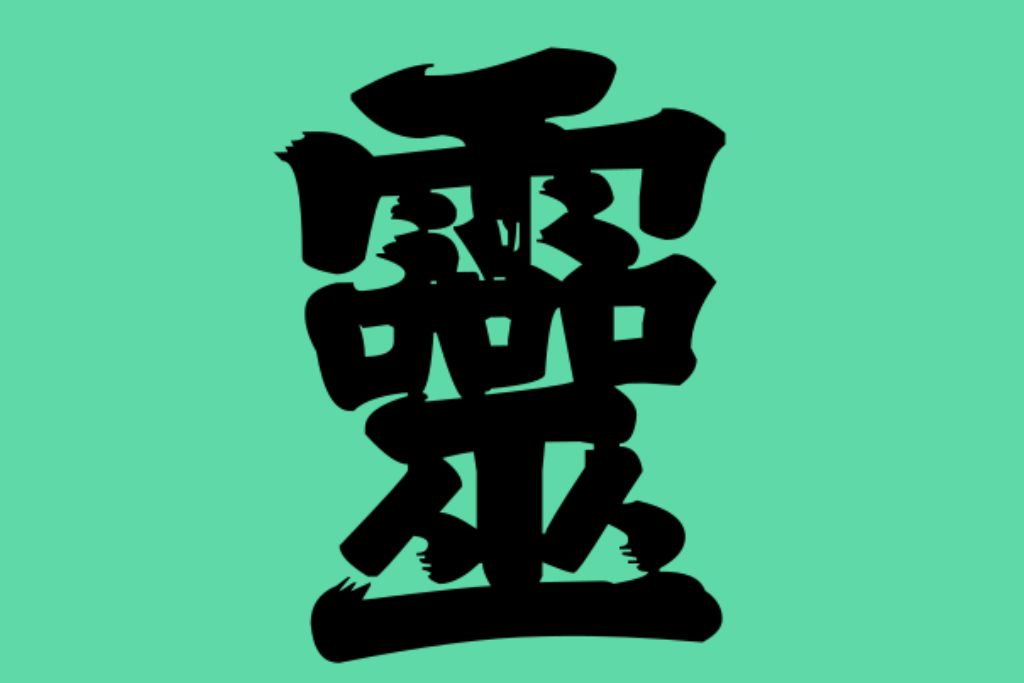
The word Lingzhi (靈芝) is often translated as “spirit mushroom” or “mushroom of immortality,” but the meaning of the character 靈 (líng) reveals far more than a poetic label.
At its core, 靈 conveys the idea of a dynamic, responsive connection between the heavens, earth, and humanity. The character depicts three mouths (口) beneath falling rain (⻗), evoking an image of shamans performing a rain dance, chanting and calling to the spirits for balance, fertility, and harmony between worlds.
In classical Daoist and Chinese medical thought, líng represents that which is subtle, numinous, and transformative. It refers not only to spirit in a metaphysical sense but also to the ability to sense, respond, and harmonize. Something that is “líng” is intelligent, not intellectually, but energetically. It listens, adapts, and restores flow.
To call something a líng zhī (靈芝) is to say it is not just a physical medicine, but a sacred substance that bridges the seen and unseen, nurturing both body and spirit.
In this way, Reishi is not simply an herb to treat symptoms. It’s a reminder of how healing involves reconnection: to nature, to self, and to the intelligence that animates life.